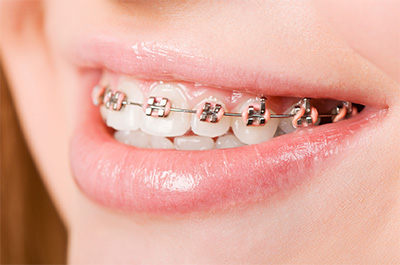
What Is the Average Cost of Braces in the US?
The average cost of braces in the US ranges from $3,000 to $7,000 for most treatment types. Metal braces fall between $3,000 and $5,000, while clear braces and Invisalign can reach $8,000 or more. Lingual braces, placed behind the teeth, often exceed $10,000. Your final price depends on treatment complexity, duration, geographic location, and whether you have orthodontic insurance coverage.
Board-certified orthodontists recommend getting a personalized quote because every case is different. Two customers with similar-looking smiles might need very different treatment plans, and that directly affects transparent pricing. The numbers above reflect national averages, but your actual investment could land above or below these ranges depending on your specific needs.
Several factors push pricing higher or lower. Think mild spacing treated with metal braces in a mid-sized city. That’s the lower end. Now picture a complex bite correction using lingual braces in a major metro area, and you’re looking at the higher end. Where you fall on this spectrum becomes clear only after a thorough evaluation with diagnostic imaging.
If you’re researching braces for yourself, your teen, or your child, understanding these numbers upfront helps you budget realistically and avoid surprises. A consultation with a board-certified orthodontist is the best way to get an accurate quote. Keep reading to learn exactly what influences pricing, how different braces types compare, and how to get an estimate for your specific situation.
How Braces Pricing Works: What You’re Actually Paying For
Braces pricing includes five components: initial consultation and diagnostics, appliance fabrication, ongoing adjustment visits, retainers, and post-treatment care. These are often bundled into one all-inclusive fee ranging from $3,000 to $10,000 depending on treatment type and complexity.
When you see a braces quote, you’re not just paying for brackets and wires. That number represents an entire treatment experience spanning one to three years. Knowing what’s included helps you compare quotes accurately and spot hidden fees before they become a problem.
What Does the Initial Consultation and Diagnostics Include?
Your first visit includes digital X-rays, intraoral scans, and photographs. Some practices charge separately for these records, while others fold them into the total treatment fee. Always ask whether diagnostic costs are bundled or billed separately.
What Are You Paying for with Appliance Fabrication and Placement?
This covers the actual braces hardware: brackets, wires, bands, or clear aligners. For Invisalign, it includes creating your custom aligner trays. Metal brackets cost less to manufacture than clear or lingual options, which partially explains the price differences between types.
How Do Ongoing Adjustment Visits Factor into Transparent Pricing?
Braces require regular check-ups every four to eight weeks throughout treatment. These visits involve tightening wires, replacing rubber bands, and monitoring progress. A 24-month treatment plan might include 12 to 24 adjustment appointments. That adds up. Some practices bundle all visits into one fee, while others charge per appointment, so clarify this before committing.
Are Retainers and Post-Treatment Care Included?
Your smile needs protection after braces come off. Quotes include at least one set of retainers in most cases. Some offices also cover follow-up visits for the first year after treatment ends. Ask specifically whether retainers are included or charged separately, since they can add $150 to $500 to your total. Request a full breakdown before signing any treatment agreement so you know exactly what you’re paying for.
How Much Do Braces Cost With and Without Insurance?
Walking into a consultation with pricing knowledge gives you a real advantage. You can ask better questions, recognize fair pricing, and make decisions that work for your family’s budget.
How Much Do Braces Cost Without Insurance?
Without insurance, expect to pay $3,000 to $7,000 for metal or clear braces. Invisalign ranges from $3,000 to $8,000, and lingual braces can reach $8,000 to $10,000. These out-of-pocket figures represent the full treatment investment, including diagnostics, adjustments, and retainers at most practices.
For families paying entirely out of pocket, easy payment plans make a significant difference. Many orthodontic offices offer in-house financing with zero or low interest, spreading the total across monthly installments. Third-party financing through companies like CareCredit may offer promotional periods with deferred interest. Compare options carefully and understand the terms before committing.
Use HSA and FSA Funds Wisely
Health savings accounts and flexible spending accounts can cover orthodontic expenses with pre-tax dollars. Knowing your estimated total helps you contribute the right amount during open enrollment. This tax advantage can save families hundreds of dollars annually.
How Much Do Braces Cost With Insurance?
Many dental insurance plans include orthodontic benefits, covering $1,000 to $3,000 toward treatment. According to the American Association of Orthodontists, most plans that include orthodontic coverage provide a lifetime maximum benefit rather than annual coverage. This means you receive the benefit once, regardless of how long treatment takes.
Some plans only cover children under 18 or 19, while others extend benefits to adults. Review your specific policy carefully. Check whether coverage applies to all braces types or excludes certain options like Invisalign or lingual braces. Understanding your plan’s details helps you calculate your out-of-pocket responsibility accurately. You can also time treatment strategically if you’re switching jobs or insurance plans.
Can Understanding Pricing Prevent Surprise Fees?
Yes. Customers who understand standard pricing can spot unusual charges right away. If a quote seems significantly higher than average, you’ll know to ask why. Maybe the case is genuinely complex. Maybe the office includes premium services. Or maybe you should get a second opinion.
Plan for Multi-Phase Treatment
Here’s something many parents don’t expect: children sometimes need Phase 1 early interceptive treatment followed by Phase 2 braces as teens. Understanding the pricing structure for each phase helps families budget across several years rather than facing unexpected expenses down the road.
Does Medicaid Cover Braces?
Medicaid may cover braces for children under 18 when treatment is deemed medically necessary. Coverage varies by state and requires documented functional problems, not just cosmetic concerns. Qualifying conditions often include severe crowding affecting oral hygiene, bite problems causing difficulty chewing, or jaw abnormalities impacting speech. Contact your state Medicaid office to understand specific eligibility requirements.
Braces Transparent Pricing Comparison by Type: Metal vs. Clear vs. Invisalign vs. Lingual
Each braces type offers distinct advantages at different price points. This breakdown helps you understand what you’re getting for your investment, and a free consultation lets you compare options in person.
| Braces Type | Average Investment | Visibility | Typical Treatment Time | Best For |
|---|---|---|---|---|
| Frenos Metálicos | $3,000 to $5,000 | Most visible | 12 to 36 months | Budget-conscious customers, complex cases |
| Frenos Transparentes | $4,000 to $8,000 | Less noticeable | 12 to 36 months | Adults and teens wanting discretion |
| Invisalign | $3,000 to $8,000 | Nearly invisible | 12 to 18 months | Mild to moderate cases, lifestyle flexibility |
| Lingual Braces | $8,000 to $10,000 | Completely hidden | 18 to 36 months | Customers wanting invisible treatment |
Metal braces offer the lowest investment at $3,000 to $5,000, while lingual braces are the most expensive at $8,000 to $10,000. Clear braces and Invisalign fall in the middle, with pricing that overlaps depending on case complexity.
How Much Do Metal Braces Cost?
Metal braces remain the most popular option for good reason. At $3,000 to $5,000, they deliver the most budget-friendly path to a full treatment. They work effectively on virtually every type of orthodontic case, from mild crowding to severe bite problems.
Modern metal brackets are smaller and more comfortable than versions from decades past. They’re also the most durable option, handling the demands of active lifestyles without the risk of cracking or staining. For families watching their budget, metal braces are often the smartest starting point.
What Do Clear Braces Cost, and Are They Worth the Premium?
Picture this: you want braces that do the heavy lifting of metal brackets but don’t announce themselves every time you open your mouth. That’s clear braces. These brackets are made from tooth-colored ceramic that blends with your natural smile, same shape and size as metal, just far less noticeable.
Expect to pay $4,000 to $8,000. The material premium accounts for the higher price. One thing to know: ceramic brackets can stain if you consume lots of coffee, tea, or red wine. They’re also slightly more fragile than metal. Still, many adults and image-conscious teens find the aesthetic benefit worth the extra investment.
How Much Does Invisalign Cost?
Not everyone wants brackets and wires. Invisalign uses custom-made, removable trays crafted from clear, BPA-free plastic. You switch to a new set of aligners every one to two weeks as your teeth gradually shift into their ideal positions.
Pricing varies widely. Minor corrections might run $3,000, while full treatment can reach $8,000. The removable design lets you eat what you love and maintain your regular oral hygiene routine. But here’s the catch: success requires wearing aligners 20 to 22 hours daily. Customers who struggle with compliance may not achieve optimal results. Your orthodontist can help you decide if Invisalign fits your treatment needs.
What Makes Lingual Braces More Expensive?
Lingual braces attach to the back surfaces of your teeth, making them completely invisible from the front. That hidden placement requires specialized training and custom-fabricated brackets, which explains the $8,000 to $10,000 price tag.
The learning curve for speech can be steeper during the first few weeks, and treatment may take longer than metal braces. Lingual braces work best for customers who absolutely cannot have visible orthodontic appliances but want the precision of bracket-and-wire treatment. Not every orthodontist offers them, so availability is another factor to consider.
What Factors Affect the Average Cost of Braces?
The main factors affecting braces pricing are case complexity, treatment duration, customer age, geographic location, insurance coverage, and braces type. That wide price range exists because no two orthodontic cases are identical. Here’s how each variable plays a role.
How Does Case Complexity Affect Transparent Pricing?
More complex cases cost more because they require longer treatment, more materials, and more adjustment visits. Simple crowding or minor spacing issues need less treatment time than severe malocclusion. An overbite combined with crowding and rotated teeth demands more expertise and more appointments.
During your consultation, your orthodontist will assess your specific needs. Mild cases might finish in 12 months. Complex situations could require 30 months or longer. More time generally means higher investment.
Do Treatment Duration and Customer Age Change the Price?
Orthodontic fees correlate directly with treatment length. A 12-month case costs less than a 24-month case because it requires fewer adjustment visits, less chairside time, and fewer materials. That said, rushing treatment to save money rarely works. Your teeth and bone need adequate time to move safely. Trust your orthodontist’s timeline recommendations even if a longer treatment costs more.
Age plays a role, too. Say you’re a parent weighing options for your 8-year-old versus getting braces yourself. Pediatric orthodontics sometimes costs less because younger customers’ bones respond more quickly to treatment. Adult cases often take longer and may require additional procedures like tooth extraction or jaw correction. Some practices offer specific pricing for Phase 1 early interceptive treatment, which addresses developing problems in children ages 7 to 10. This shorter treatment phase runs $1,500 to $3,500 and may reduce the complexity of later treatment.
How Does Location Affect What You Pay?
Braces cost more in major metropolitan areas than in smaller cities or rural regions. Overhead expenses like rent, staff salaries, and equipment vary significantly by location. A practice in Manhattan faces higher operating costs than one in a mid-sized Midwestern city.
This doesn’t mean you should drive hours away to save money. Factor in gas, time off work, and the inconvenience of distant appointments. Sometimes local pricing makes more sense despite regional differences. The best approach is to get quotes from board-certified orthodontists in your area and compare what’s included in each fee.
Who Needs Braces and How to Get an Accurate Pricing Estimate
Braces aren’t just for teenagers with crooked teeth. Orthodontic treatment addresses functional and aesthetic concerns across all age groups.
Who Is a Good Candidate for Braces?
Children (Age 7+): The American Association of Orthodontists recommends an initial evaluation by age 7. That doesn’t mean early treatment for everyone. It allows board-certified orthodontists to monitor development and step in at the right time if problems emerge. Phase 1 early interceptive treatment can address developing issues before they become more serious. A healthy smile starts early.
Teens: Most permanent teeth have erupted by adolescence, but jaw bones still respond well to orthodontic forces. Teen braces address crowding, spacing, overbites, underbites, crossbites, and other alignment issues. This remains the most common treatment window.
Adults: You’re never too old for a straighter smile. Adult orthodontics has grown significantly as more customers recognize that treatment works at any age. Clear aligners and clear braces are especially popular among adults for their subtle appearance.
What Issues Can Braces Correct?
- Crowding: Teeth overlapping or rotated due to insufficient jaw space
- Spacing: Gaps between teeth that trap food and affect appearance
- Overbite: Upper teeth extend too far over lower teeth
- Underbite: Lower teeth sit in front of upper teeth
- Crossbite: Some upper teeth sit inside lower teeth when biting down
- Open bite: Front teeth don’t meet when back teeth close
How Do You Get a Personalized Pricing Estimate?
Online research provides helpful context, but only an in-person evaluation can determine your actual investment. During a free consultation, a board-certified orthodontist will:
- Examine your teeth, bite, and jaw alignment
- Take diagnostic records (X-rays, scans, photos)
- Discuss treatment options appropriate for your case
- Provide a detailed pricing breakdown
- Explain insurance filing and easy payment plan options
Schedule visits with two or three orthodontists to understand your options fully. Free consultations with no obligation let you gather information and compare quotes without financial commitment.
Frequently Asked Questions About Braces Pricing
How much do braces cost without insurance?
Without insurance, expect to pay $3,000 to $7,000 for metal or clear braces and $8,000 to $10,000 for lingual braces. Invisalign ranges from $3,000 to $8,000 depending on case complexity. Many orthodontists offer easy payment plans that make treatment manageable even without insurance benefits.
Does insurance cover braces?
Yes, many dental insurance plans include orthodontic coverage. Benefits range from $1,000 to $3,000 toward treatment, applied once per lifetime. Some plans cover only children while others extend benefits to adults, so review your specific policy or call your insurance company before starting treatment.
Does Medicaid cover braces?
Medicaid may cover braces for children under 18 when treatment is deemed medically necessary. Coverage criteria and availability vary by state, and qualifying requires documented functional problems rather than purely cosmetic concerns. Contact your state Medicaid office for eligibility requirements in your area.
Are easy payment plans available for braces?
Absolutely. Options include in-house financing, which is often interest-free, and third-party financing through companies like CareCredit. Ask about down payment requirements and total payment terms so you can plan accordingly. Spreading the investment over monthly installments makes orthodontic treatment accessible for most families.
Why Do Braces Pricing Vary So Much?
Five factors drive the variation: treatment type, case complexity, duration, geographic location, and provider experience. A simple 12-month metal braces case costs far less than a complex 30-month lingual braces case. Board-certified orthodontists in major cities charge more than general dentists in rural areas. Comparing quotes for similar treatment plans from multiple providers is the best way to gauge fair pricing.
Is Invisalign More Expensive Than Braces?
Not always. Simple Invisalign treatment might run $3,000 to $4,000, while full cases reach $6,000 to $8,000, compared to $3,000 to $5,000 for metal braces. The actual difference depends on your specific treatment needs. Getting quotes for both options from the same provider is the most reliable way to compare.
What Is the Best Age to Get Braces?
There’s no single “best” age. Children should have an initial orthodontic evaluation by age 7, though most don’t start treatment that early. The teen years remain the most common treatment window because permanent teeth have erupted and jaw bones are still responsive. Adults benefit from braces at any age, and clear options make treatment less noticeable for working professionals. Your orthodontist can recommend the right timing based on your specific dental development and alignment needs.
How Long Does Braces Treatment Take?
Treatment duration ranges from 12 to 36 months for most customers. Mild crowding or spacing issues may resolve in 12 to 18 months, while complex bite corrections can take 24 to 36 months. Invisalign cases for mild to moderate issues often finish in 12 to 18 months. Your orthodontist will provide a timeline estimate during your initial evaluation, though actual duration depends on how your teeth respond to treatment and whether you follow care instructions consistently.
 ES
ES  EN_US
EN_US